

Bright Direct Light
Description: Sunlight shines directly on plants, typically near south- or west-facing windows, without any obstructions (e.g., curtains or eaves). You'll see clear patches of sunlight on the floor.
Suitable Plants: Most flowering plants and sun-loving foliage plants. Examples include succulents, cacti, monstera, fig trees, bird of paradise, roses, and jasmine.
Description: There's plenty of light, but no direct sunlight. This is the ideal and safest type of light. It's usually located very close to an east-facing window or 1-2 meters away from a south- or west-facing window (curtains can also be used to filter direct sunlight).
Suitable Plants: Most tropical foliage plants. Examples include: pothos, peace lily, peace lily, monstera, philodendron, arrowroot, and ferns.
Low Light
Description: A location far from a window, with only a small amount of natural light reaching it, or near a north-facing window. Note: No plant can grow in complete darkness. "Low light" does not mean "no light."
Suitable Plants: A few extremely shade-tolerant plants. Examples include: snake plant, heartleaf philodendron, spider plant, money tree, and certain varieties of ferns.
Hand Shadow Test: At noon, when the sun is at its brightest, place your hand where the plant is and observe the clarity of the shadow on the ground.
A sharp and clear shadow indicates direct light.
A blurry shadow with easily discernible outlines indicates bright, diffuse light.
A very faint, barely discernible shadow indicates low light.
Window Orientation (Using the Northern Hemisphere as an example)
South-facing windows: Receive the most sunlight, with sunlight throughout the day, and are the primary source of direct light.
West-facing windows: Receive strong, hot direct sunlight in the afternoon.
East-facing windows: Receive soft, bright, diffuse light in the morning, ideal for most plants.
North-facing windows: Receive steady but weak light, usually only diffuse light.
Know Your Plants: When purchasing a plant, be sure to research or ask about its light requirements. This is the most crucial step.
Rotate your pots regularly: Plants tend to grow toward a light source (phototropism). Rotating the pots a quarter turn weekly will help them grow more evenly and upright, preventing them from growing crooked.
Keep your windows clean: A layer of dust can block significant sunlight.
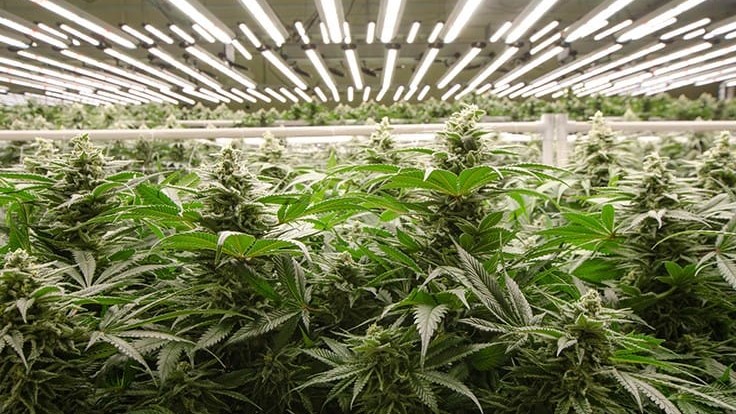
Consider using a grow light: If your room lacks natural light or you want to extend the duration of daylight in the winter, LED grow lights are an excellent option. They provide the full spectrum of light needed for photosynthesis and are particularly suitable for those who keep plants in offices or basements.
Symptoms of Insufficient Light:
Legginess: Nodes become elongated and the distance between leaves widens.
Slow growth or complete cessation of growth.
Leaves become smaller and thinner.
No flowers appear.
Leaves lose their vibrant color (for example, coleus turn green).
Old leaves fall off.
Symptoms of Excessive Light (Sunburn):
Brown or gray scorch or burn marks appear on leaves.
Leaves fade, turn pale, or turn yellow.
Leaves curl or droop.
Summary: The best light for indoor plants is one that mimics the light in their native habitat.
If you're a beginner: Start with plants that require bright, diffuse light (such as pothos and peace lilies); these are the easiest to care for.
Remember the principle: it's better to have more light than less. Most plants tolerate too much light better than too little. If you find the light is too strong, you can easily move it farther away from the window, but if it's not bright enough, you may need to move furniture or invest in supplemental lighting.
Hopefully, this detailed guide will help you find the ideal grow light for your beloved plants!
Luxgrow is developed by photology engineers and more than 13 years R & D engineers team in led lights
As a professional and rich experience grow light designer and manufacturer for indoor greenhouse farms ; Luxgrow really knows offer the exclusive customized layout service is very necessary and cost-efficient.
We offer free exclusive customized layout service for customers , not only in the lighting configuration help,but also help you know the budget
 Whatsapp
 Company Profile
 Made in cambodia
 Development
 Research and development
 Production capacity
 Plants Grow Lights
 Agriculture Supplemental Lights
 Medical cannabis cultivation
 Agricultural planting