

In this complete 2026 buying guide, we break down spectrum, PPFD output, heat dissipation, and practical deployment tips. We will also cover when to use full spectrum led grow lights and how under canopy grow light solutions fill critical lighting gaps most beginners overlook. Drawing on real-world grow-room experience, this guide helps you avoid marketing traps and select durable, highperformance fixtures like LuxGrow for your unique growing setup.
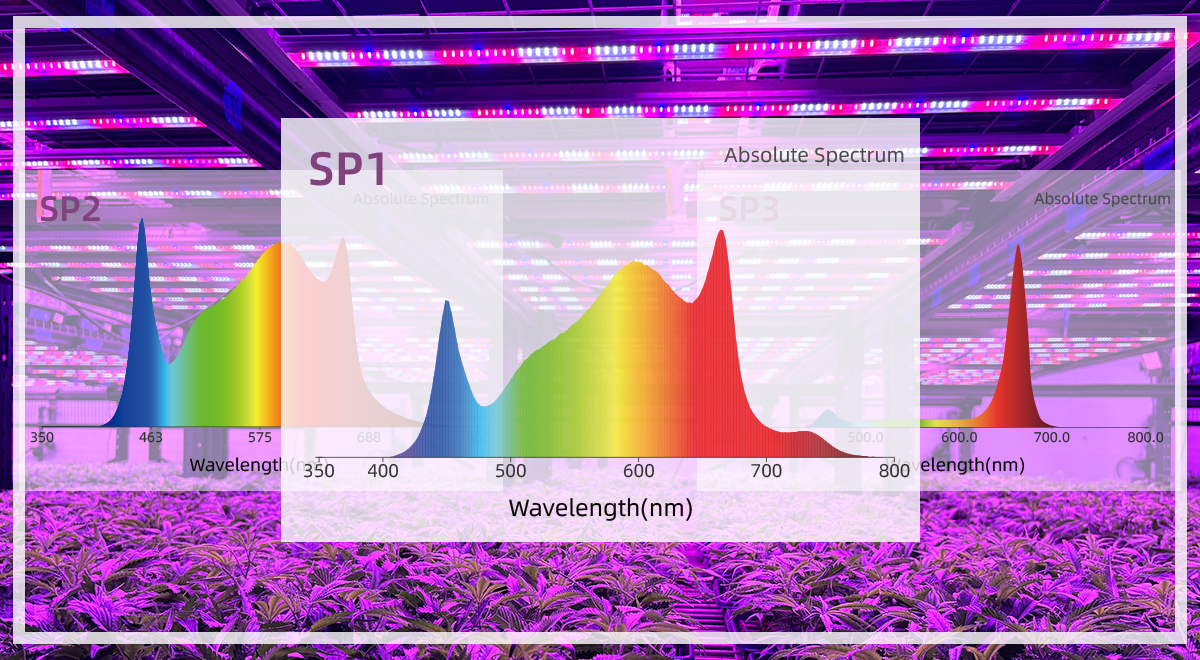
Spectrum defines which wavelengths your plants receive during seedling, vegetative, and bloom cycles. Many cheap products simply print “full spectrum” on packaging without balanced wavelength output, misleading new growers.
Trusted full spectrum led grow lights cover the full PAR range 400-700 nm, including blue, green, red, plus optional UV-A and far-red.
▲ Blue light (400-500 nm): Controls compact leafy growth, prevents stretching in seedlings and veg-stage plants.
▲ Green light (500-600 nm): Penetrates deep into dense foliage, reaching inner leaves that red-blueonly fixtures cannot illuminate well.
▲ Red light (600-700 nm): Drives photosynthesis, flowering, fruit set and biomass accumulation.
▲ UV-A & Far-Red: Boost plant resilience, terpene content, and overall crop quality for serious cultivators.
Pure purple blurple lights only deliver red and blue bands. While cheap, they omit useful green wavelengths and distort visual plant inspection. Modern fixtures from brands such as LuxGrow deliver well-balanced fullspectrum output, suitable for everything from small home herb shelves to large grow tents.
Practical tip: Leafy greens need higher blue ratios; flowering fruiting crops demand elevated red and far-red content. Adjustable spectrum drivers add value if you grow multiple plant varieties.
Watts and surface brightness do not tell you how much usable light reaches your plant canopy. PPFD (Photosynthetic Photon Flux Density, µmol/m²/s) measures real photosynthetic photon density landing on plant leaves — this is your key performance benchmark.
Common PPFD reference ranges:
▲ Seedlings & low-light houseplants: 100-250 µmol/m²/s
▲ Vegetative growth: 250-450 µmol/m²/s
▲ Flowering / fruiting high-demand crops: 450-800+ µmol/m²/s
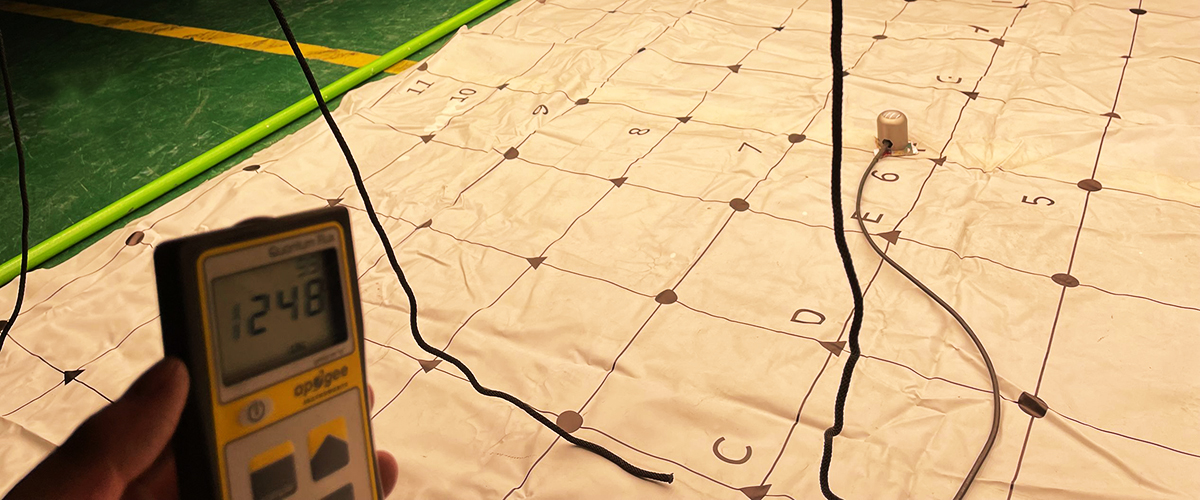
Always request the manufacturer’s PPFD map at different hanging heights. A fixture may read high PPFD directly underneath, yet drop sharply toward edges, creating uneven growth across your garden space. Top-grade led grow lights for indoor plants, such as LuxGrow fixtures, publish verified PPFD maps, so you know real-world coverage before purchasing.
Efficiency measured as µmol/J also matters: premium 2026 LED grow lights hit 2.5-3.0 µmol/J, generating more plant-usable photons per watt and lowering longterm electricity costs. Avoid units boasting inflated “equivalent wattage” numbers without published PPFD test data.
Poor thermal management is the numberone cause of early LED grow-light failure. Excess heat accelerates LED chip degradation, shifts spectral output over time, and raises tent temperatures risking leaf burn or blossom drop on sensitive crops.
Two primary cooling designs on today’s market:
Passive cooling (large aluminum heat sink): No fan noise, fewer mechanical failure points. Ideal for home bedrooms, offices and quiet grow spaces. High-quality models use thick, high-conductivity aluminum housings to draw heat away from diodes.
Active fan cooling: Suited for very high-power commercial lights. Select units with highquality silent fans; low-cost fans tend to wear out within one-two growing cycles.
When comparing options, check fixture operating temperature and build quality. LuxGrow applies optimized passive thermal architecture across many of its full spectrum led grow lights, maintaining safe chip temperatures while keeping operating noise low for residential and enclosed tent environments.
Critical warning: Do not place grow lights extremely close to canopy just to chase higher PPFD. Even wellcooled LEDs can create leaf burn at insufficient hanging heights.
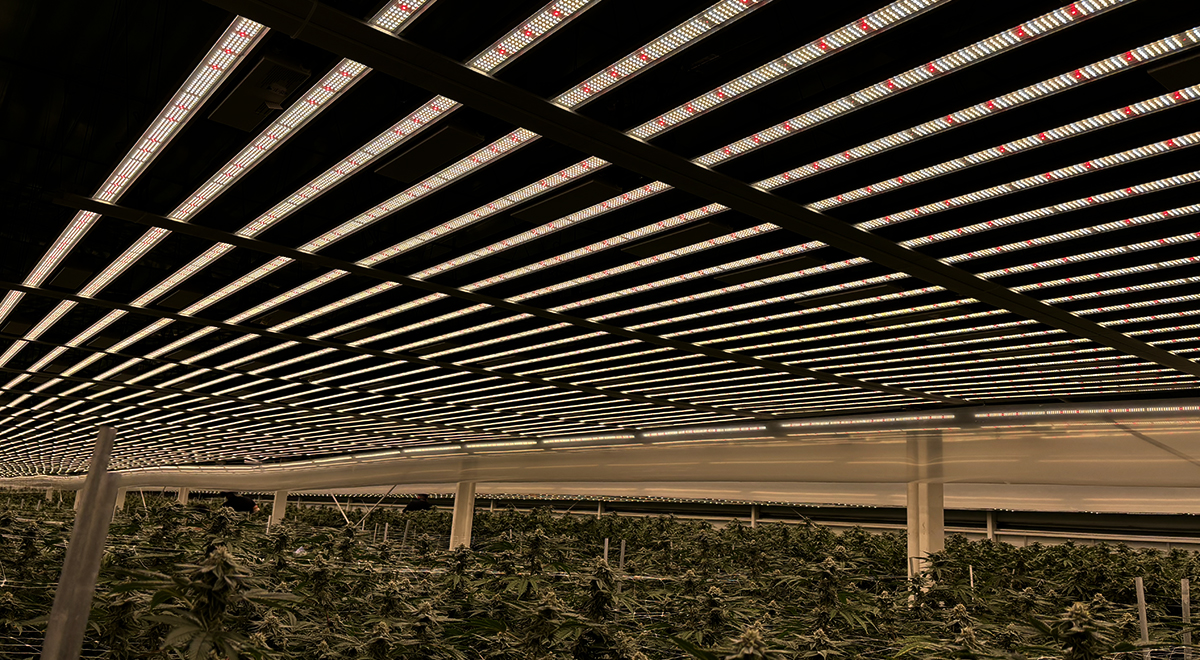
Even high-quality overhead lighting hits limits when plants develop thick, bushy canopies. Upper-layer foliage blocks photons, leaving lower branches and inner bud sites stuck in shadow. These shaded sections produce weak growth and wasted yield potential — this is exactly where under canopy grow light systems add huge value.
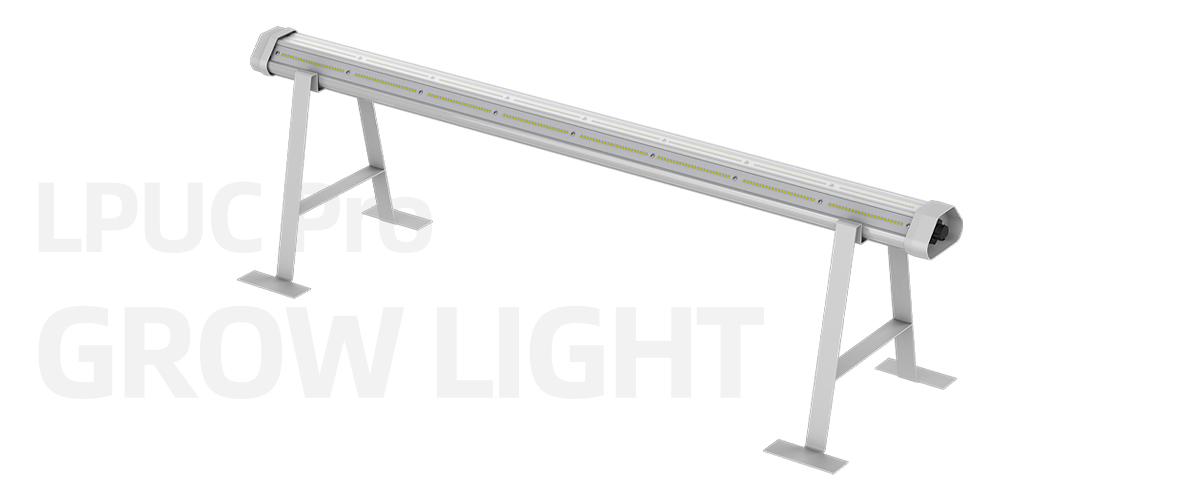
Under canopy grow light are slimprofile supplemental bars installed underneath or within plant canopies, delivering photons to lower stems, side shoots and inner bud sites that overhead lights cannot reach. This topandbottom combined lighting improves light penetration, encourages uniform bud development, and lifts total harvest weight for densecanopy crops.
● Tall, bushy flowering plants in grow tents
● Greenhouse crops such as tomatoes and peppers
● Vertical farming and multishelf indoor gardens
● Commercial growers chasing consistent, maximized yields
LuxGrow’s supplemental under canopy grow light bars match the fullspectrum tuning of its main overhead fixtures. They support dimming and daisychaining, making them easy to integrate into new or existing indoor grow setups. Best practice: activate undercanopy lights from late vegetative stage through full flowering phase for optimal results.
Before completing your purchase, run through this practical checklist:
✅ Verified PPFD map and efficiency rating (µmol/J)
✅ Well-balanced full-spectrum output matching your plant types
✅ Reliable heat-dissipation structure (passive or highgrade active cooling)
✅ Dimming function to adjust intensity for seedlings, veg and bloom
✅ Suitable mounting hardware for hanging or shelf installation
✅ IP rating matching humidity levels inside your grow area
✅ Consider adding under canopy grow light bars if you cultivate dense bushy plants
A: Yes. Quality full spectrum led grow lights reproduce balanced sunlight-like PAR wavelengths, supporting complete plant development from germination through harvest. Red-blueonly blurple units work, yet lack greenlight penetration and make visual plant health inspection difficult.
A: If you grow small houseplants or low-profile herbs under shelves, overhead led grow lights for indoor plants are usually enough. If you cultivate large, bushy flowering plants in tents, adding under canopy grow light will noticeably improve inner-branch performance and overall yield.
A: High-power LEDs naturally produce heat. If housing runs excessively hot, the heat-sink design is insufficient. Overheating shortens fixture life and may harm your plants; prioritize models with proven thermal design such as LuxGrow’s lineup.
Selecting grow lights in 2026 is far more complex than picking the highest-wattage or lowest-priced unit. Always prioritize verified PPFD performance, well-tuned spectrum, and robust heat dissipation. For dense-canopy cultivation, complement main led grow lights for indoor plants with purposebuilt under canopy grow light to unlock your garden’s full potential.
Whether you are starting your first indoor garden or upgrading commercial growing operations, LuxGrow’s range of full spectrum led grow lights and supplemental undercanopy lighting deliver consistent performance for hobbyist and professional growers alike.
Luxgrow is developed by photology engineers and more than 13 years R & D engineers team in led lights
As a professional and rich experience grow light designer and manufacturer for indoor greenhouse farms ; Luxgrow really knows offer the exclusive customized layout service is very necessary and cost-efficient.
We offer free exclusive customized layout service for customers , not only in the lighting configuration help,but also help you know the budget
 Whatsapp
 Company Profile
 Made in cambodia
 Development
 Research and development
 Production capacity
 Plants Grow Lights
 Agriculture Supplemental Lights
 Medical cannabis cultivation
 Agricultural planting